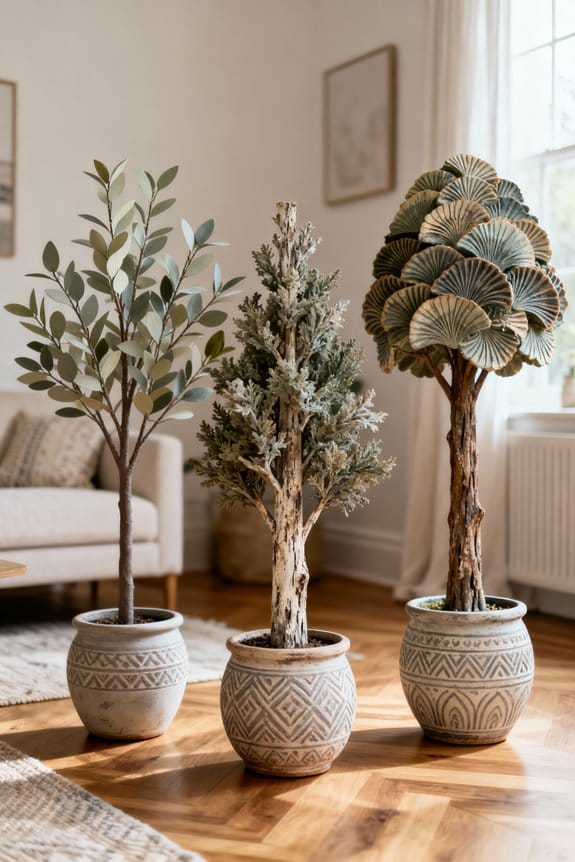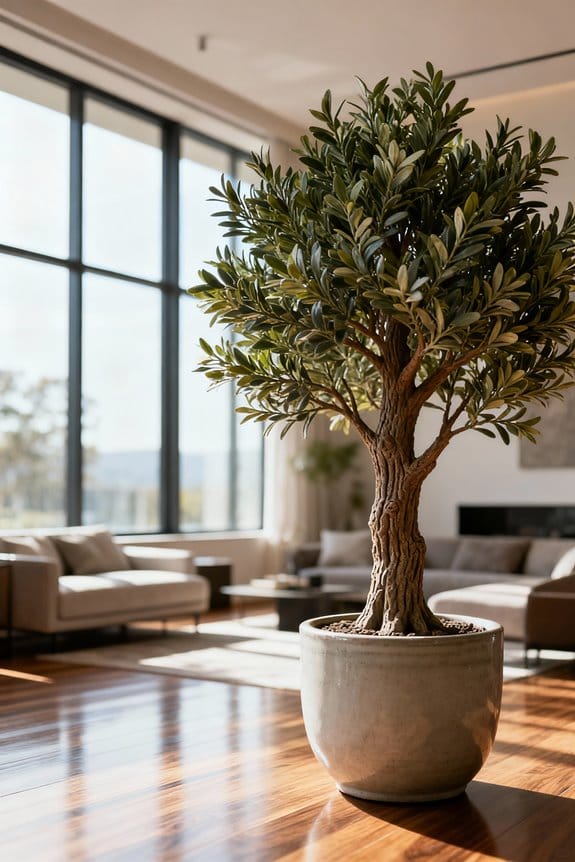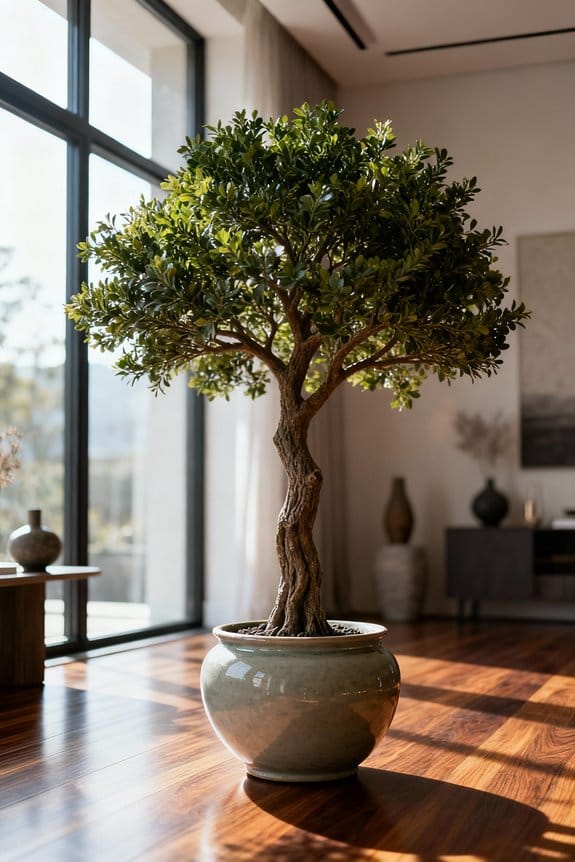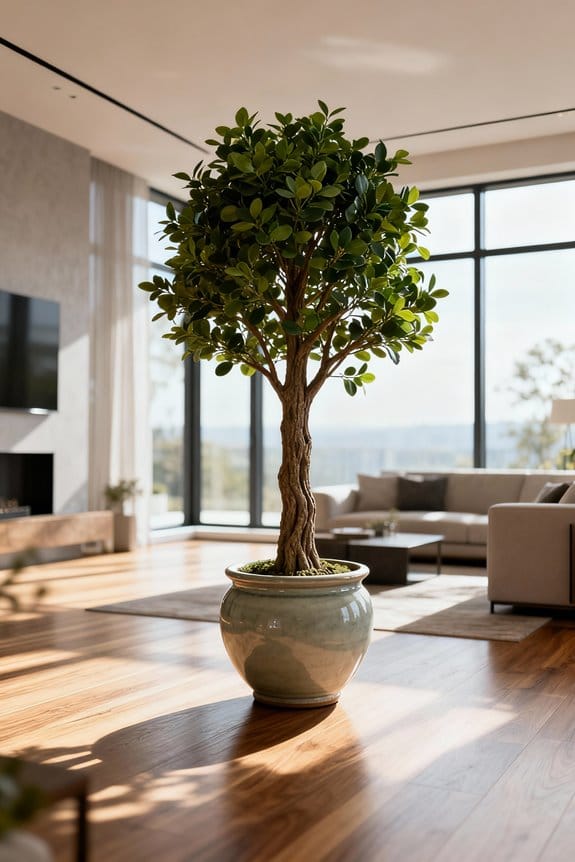
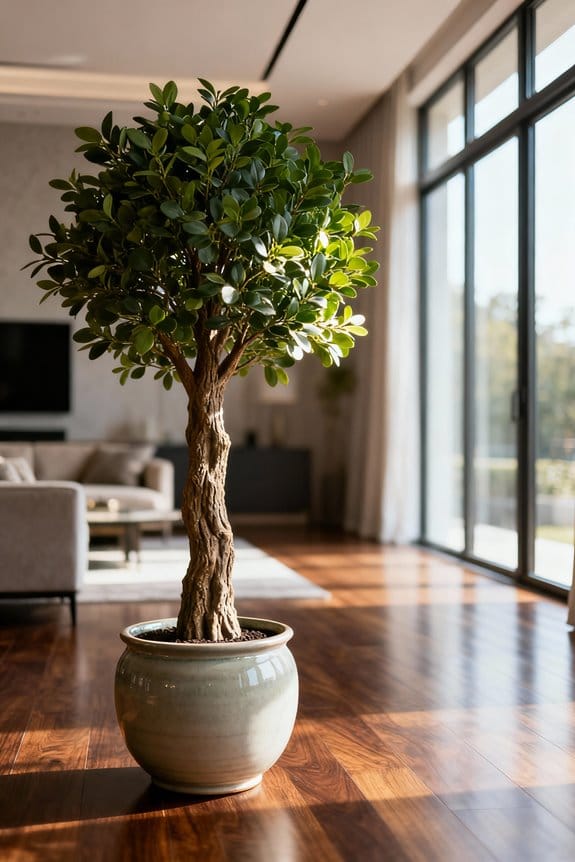

When matching planters to your faux tree, start by picking one slightly wider than the tree pot—more room means less toppling! Choose round pots for soft vibes or square ones for a modern touch. Think about colors that blend or pop depending on your room style. Add texture like jute or stones for a natural feel and use boxes inside for the perfect height. You’ll soon see how simple tweaks make your plants look way more real and stylish! Want the full scoop?
Key Takeaways
- Choose planter size slightly larger than the nursery pot, allowing space for fillers and stability without overpowering the faux tree.
- Match planter shapes to your design vibe: round for natural curves, square for modern, clean aesthetics.
- Select planter materials that complement your decor, like warm ceramics or lightweight plastic for easy movement.
- Coordinate planter colors with room tones; neutrals blend softly, bright ceramics add boldness without distraction.
- Add texture and height inside planters using fillers, moss, or risers to enhance visual interest and tree realism.
Measurement Matters for Planter Size
Let’s start with one of the trickiest parts: measuring your faux tree and planter to get the perfect fit! 📏 It sounds simple, but trust me, guessing won’t cut it here—your planter should be wider than your tree’s nursery pot by at least half the tree’s width or about a quarter of its height. Measurement matters because an undersized planter can make your faux tree topple over or look awkward in the room. You want enough space not just for the base but room for any decorative fillers too. Oversized planters can fill empty spaces nicely and boost the vibe. If you need a little height boost, simple tricks like risers or cardboard inside the planter can save you from hunting for a new one! So, get those measurements right for planter size perfection with faux trees! Ensuring your planter has a stable base is key to preventing tipping, especially in homes with curious pets.
Choosing the Right Planter Shape and Material
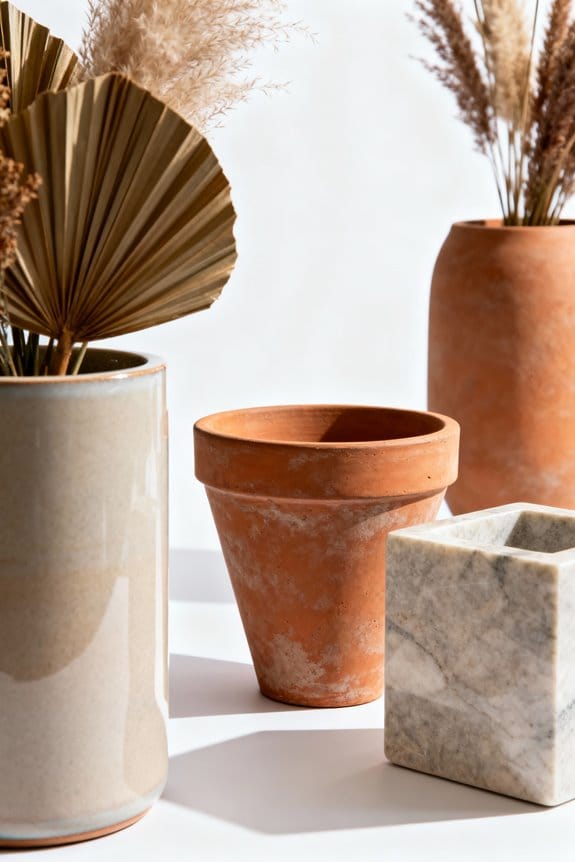
Even though picking a planter might seem like a small detail, choosing the right shape and material can totally change how your faux tree looks and feels in your room! 🌿 Round planters tend to follow the natural curves of the tree, while square ones add a modern, clean edge that some folks love. When choosing a planter shape, think about the vibe you want to create. Materials like ceramic or wood add warmth and visual texture, which can make your faux tree pop. If you have a big tree, lightweight options like plastic make moving easier, but heavier choices like stone keep things steady. Textured planters, like woven baskets, add a cool contrast to smooth leaves and boost the overall style without stealing the spotlight! Also, consider how the planter’s finish can harmonize with entryway aesthetics to ensure a cohesive look.
Matching Planter Colors With Your Décor
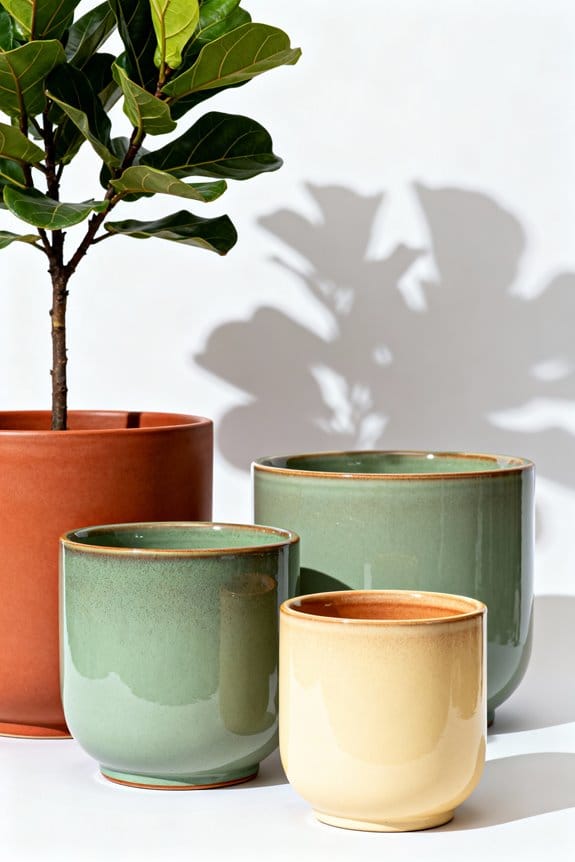
Colors make a huge difference when picking a planter for your faux tree, and matching them with your room’s style can really pull everything together! 🎨 Think about the colors you already have around—choosing neutral tones like grey or light wood usually works like a charm because they blend in quietly and keep the vibe calm. Neutral tones are great for creating a peaceful feel without stealing the spotlight. Don’t forget about textures, too! A glossy planter can add a little pop against matte walls or furniture, making everything feel more interesting. If you want a little boldness, try a bright ceramic piece, but keep it to one or two colors so it doesn’t get wild. Matching planter colors this way keeps your room balanced and welcoming—no interior designer degree required! For stability, make sure your planter has a heavy or weighted base to prevent your faux cherry blossom tree from tipping over.
Adding Height and Texture to Enhance Visual Appeal
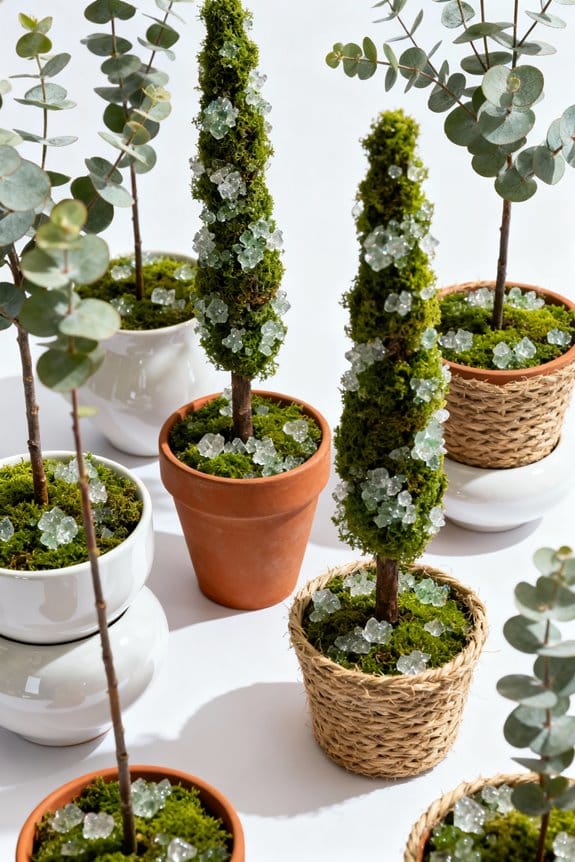
While it might seem tricky at first, adding height and texture to your faux tree’s planter can totally change the game! 😄 One easy trick is to tuck a box or some cardboard inside the planter to raise the tree up—like a little secret boost that doesn’t cost a dime. These height adjustments help your tree stand out and give your space a taller, airier vibe. Pair that with textured planters made of jute, wood, or ceramic, and you create way more visual interest without breaking a sweat. You can even add moss or stones on top to give the base some natural flair. Trust me, these small changes make your faux tree look way more lively and stylish—no gardening skills needed! For added stability, it’s best to choose a planter that is weighted and stylish to keep your faux bamboo tree steady and fitting with your decor.
Grouping and Layering Faux Plants With Multiple Planters
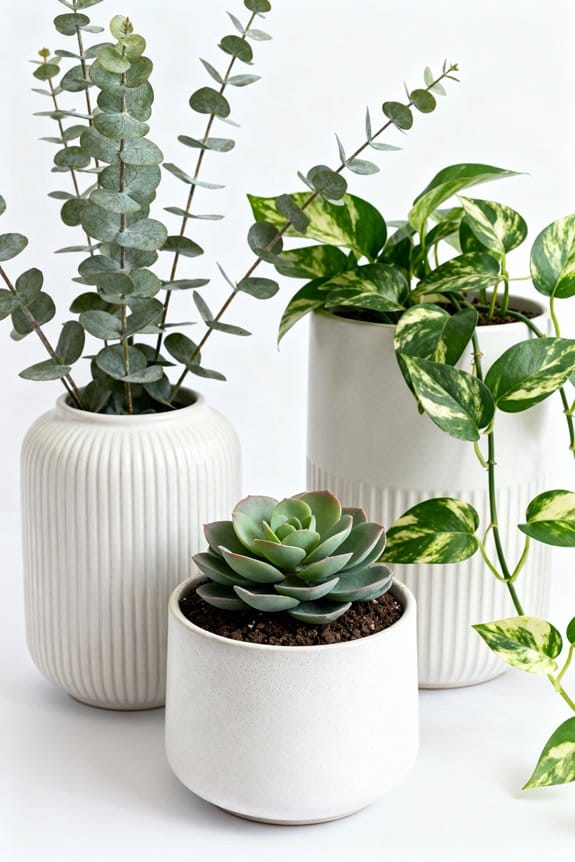
When you start grouping faux plants with multiple planters, it’s great to mix up their heights to keep things interesting and avoid a boring, flat look. 😄 Believe me, I’ve tried lining up identical pots, and it was less “wow” and more “meh.” Try arranging odd numbers—like three or five planters—since this trick naturally grabs attention and feels more lively. Grouping pots that vary in size creates cool visual depth, making each faux plant pop while still feeling part of the whole. Layering plants works best when taller faux trees anchor the setup and shorter ones fill in around them. Don’t be shy about mixing planter textures and colors—it adds contrast and keeps your display looking fresh and balanced in your space! Also, choosing pots with durable materials like weighted concrete bases helps ensure stability and complements your room’s style.
Securing and Styling Faux Trees for Stability and Realism
Getting your faux tree to stand tall and steady is easier than you might think! 🙂 A secure base is key, so check that the tree fits snugly in its planter, and don’t be shy about using hot glue to keep that weighted inner pot locked in place. If you notice any wobbling, add some weights inside the planter or fill gaps with plastic bags or cardboard for extra stability. To make things look more realistic, shape the planter’s surface so it slopes naturally from the trunk outward. Then, cover the top with flat moss, tucking and gluing it down to hide any fake stuff. And don’t forget to dust your tree and planter regularly—clean plants always look more lifelike, even if they don’t need water! For enhanced durability and eco-friendliness, consider placing your faux tree in a woven basket made of natural fibers, which also adds to the visual appeal.
Frequently Asked Questions
How Big Should a Planter Be for a Faux Tree?
A planter’s size is like a shoe fitting a foot properly; planter proportions should be at least half the faux tree size in width. Adequate planter weight guarantees stability, preventing the tree from tipping over during use or transport.
What to Put in a Planter With a Faux Tree?
When filling a planter with a faux tree, faux tree accessories like moss, rocks, or dirt enhance authenticity. Planter material choices affect stability, while seasonal planter themes add visual interest and can be adjusted with decorative liners and filler elements.
Are Fake Plants Considered Tacky?
Once considered a Victorian folly, fake plants today navigate the authenticity debate, balancing aesthetic preferences with maintenance concerns. Their perceived tackiness largely depends on quality and styling rather than inherent qualities, reflecting evolving design sensibilities.
How to Mix and Match Planters?
Mixing and matching planters involves selecting color combinations that harmonize or contrast, incorporating diverse material choices like ceramic or wood, and balancing style contrasts to create visual depth and interest, ensuring a cohesive yet dynamic plant display.