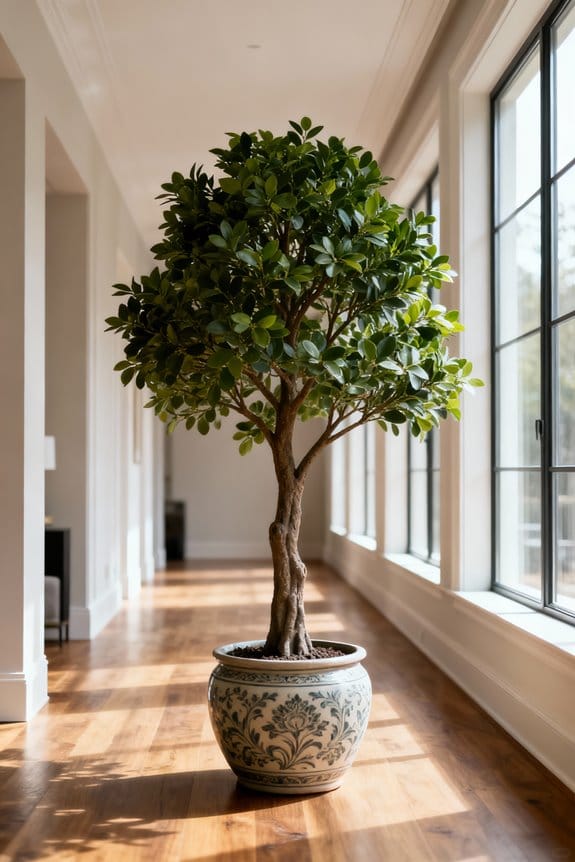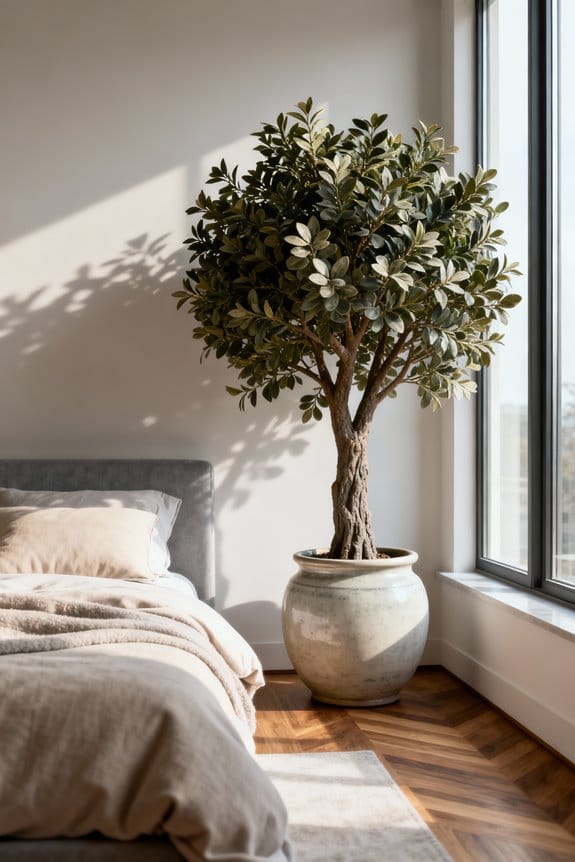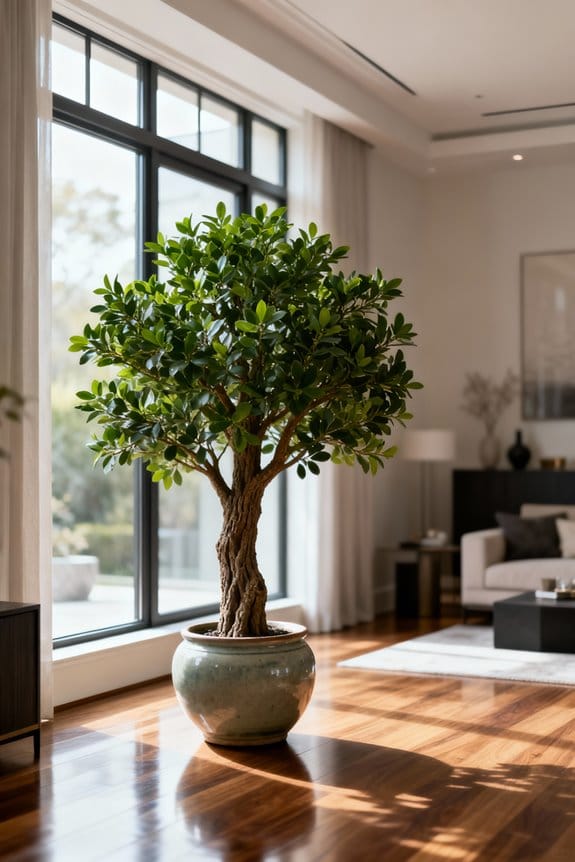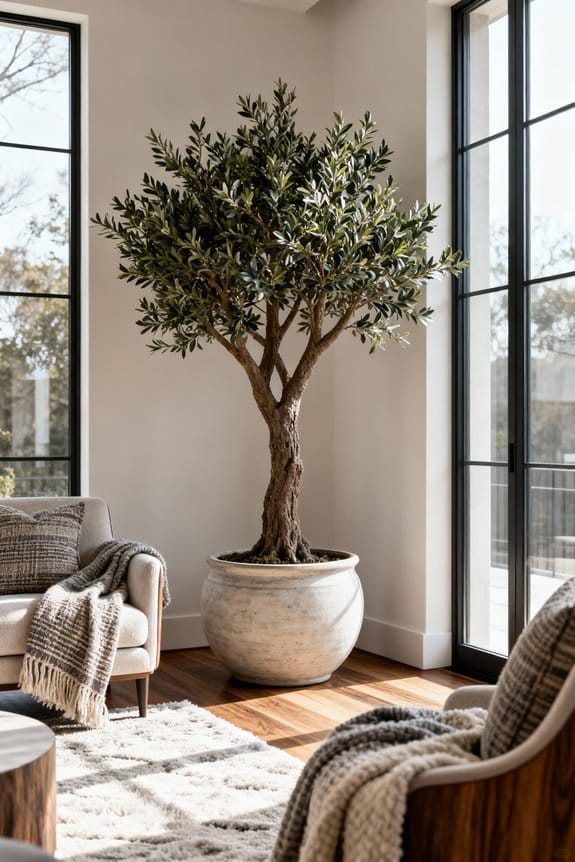
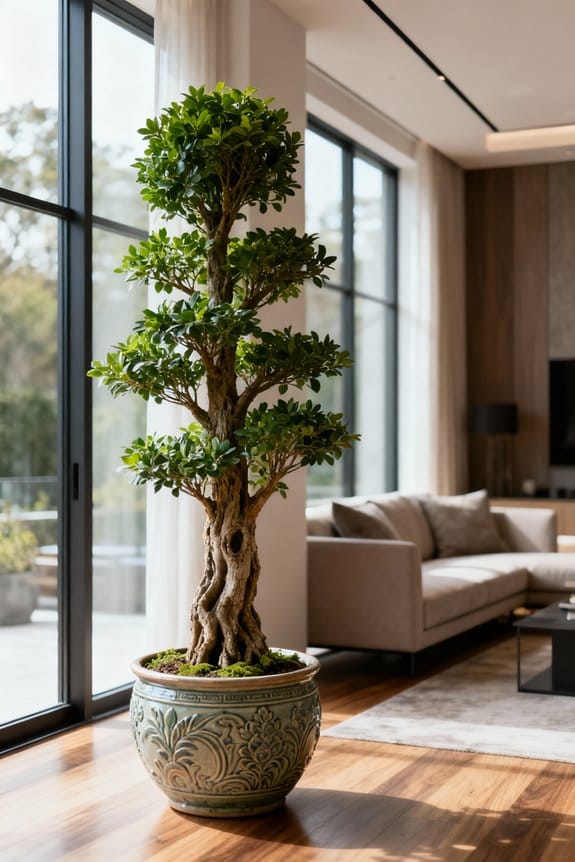

Using indoor trees is a simple way to add texture and depth to flat spaces! 🌿 They break up boring lines and bring life to empty corners, making rooms feel cozy and fresh. Choose a tree that fits your light situation—tall ones like Fiddle Leaf Figs add height, while smaller palms work in low light. Plus, artificial trees offer a no-fuss option. If you want to make your space pop, these tips will help you get started!
Key Takeaways
- Indoor trees add visual interest by breaking flat surfaces with organic shapes and lush textures, softening sharp architectural lines.
- Positioning trees in corners anchors the room, creating depth and a natural flow within flat spaces.
- Tall indoor trees draw the eye upward, introducing vertical dimension and enhancing spatial perception.
- Placing trees near windows maximizes light exposure, boosting brightness and accentuating texture contrasts.
- Artificial trees provide year-round texture and depth without maintenance, preserving vibrant interiors effortlessly.
Benefits of Incorporating Indoor Trees in Home Design
Even if you think your flat spaces are a bit boring, adding indoor trees can totally change the vibe! 🌿 They bring texture and life to rooms, breaking up the flatness and adding a cool contrast against hard surfaces like walls and floors. Indoor trees like the Fiddle Leaf Fig aren’t just pretty; they become eye-catching focal points that make your room feel taller and more spacious. Plus, trees such as the Rubber Tree and Corn Plant soften those sharp architectural lines, filling empty corners so your space feels calmer and more welcoming. Bonus: these green pals can even help clean your air! So, incorporating indoor trees not only spruces up your décor but also brings you a bit closer to nature and some stress relief! Many artificial indoor trees are made with realistic-leaf materials that provide a lush look without the hassle of maintenance.
Choosing the Right Indoor Tree for Your Space
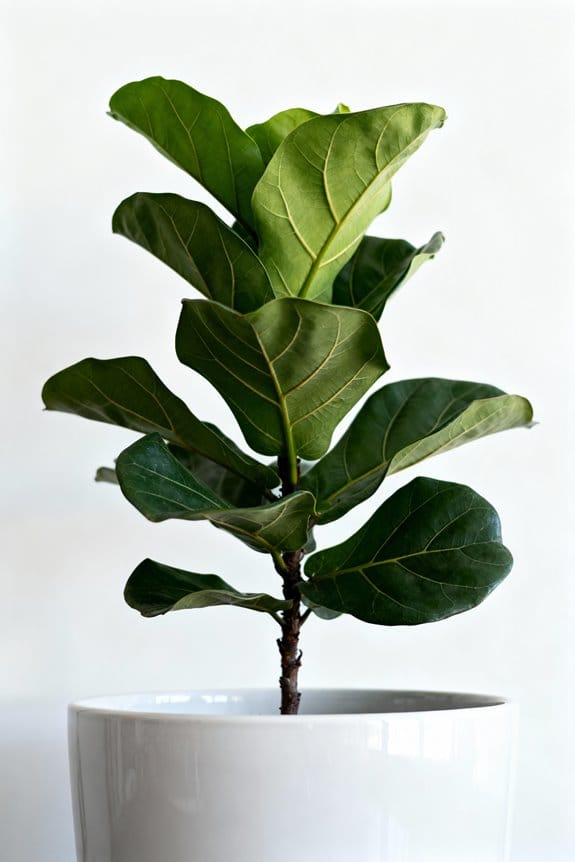
While picking the perfect indoor tree might seem tricky, it’s really about matching the plant to your space and lifestyle! 🌿 You want to think about how big the tree will grow because nobody wants a leafy giant crashing through the ceiling, right? When you choose trees like the Fiddle Leaf Fig, expect something tall and eye-catching, while the Corn Plant fits snugly in smaller spots and adapts to various light conditions. Also, consider your lighting—Dragon Trees love medium to bright, indirect light, so they won’t sulk in gloomy rooms. Don’t forget humidity and watering needs; a Majesty Palm is a lush choice but requires extra care. With a little thought, picking the right indoor tree is pretty straightforward and adds personality to your flat space! Choosing a natural tree base can enhance the aesthetic and stability of your indoor tree setup.
How Indoor Trees Enhance Visual Interest
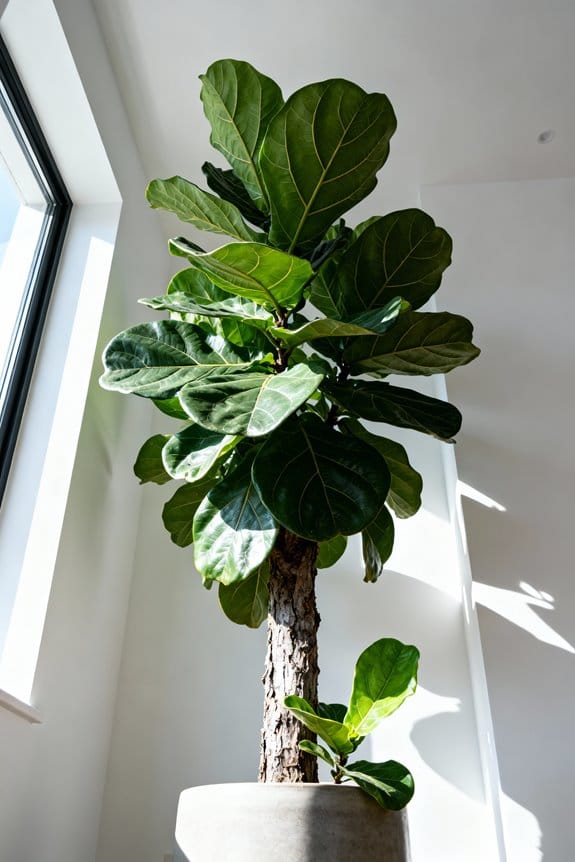
A few well-placed indoor trees can totally transform your flat space, adding fresh life and style without much effort! 🌿 Think of them as natural artwork that breaks up the boring straight lines of furniture and walls. Indoor trees like the Fiddle Leaf Fig or Rubber Plant bring lush textures that contrast nicely with hard surfaces, instantly boosting visual interest. Placing a tree in a corner or as a focal point helps anchor your room’s look, making it feel less flat and more dynamic. Plus, plants like the Majesty Palm add soft, organic shapes that gently frame your space. So, if your room feels a bit meh, try adding an indoor tree—you might be surprised how much personality they bring! Artificial options like bonsai trees offer all these benefits with minimal maintenance, perfect for busy lifestyles.
Creating Height and Dimension With Tall Trees
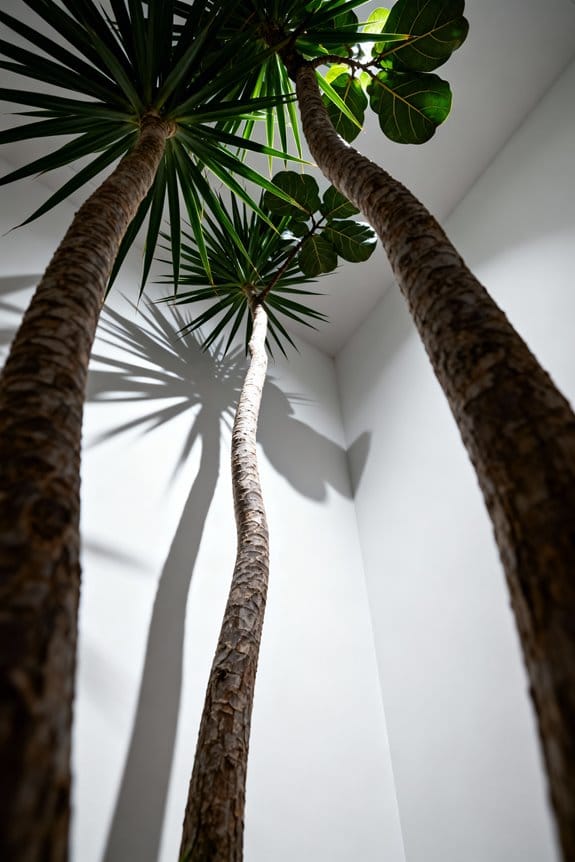
Tall indoor trees, like the Fiddle Leaf Fig and Rubber Tree, can really change the game when your space feels a little flat! 🌳 They’re like natural skyscrapers, stretching up to over 10 feet and making your ceiling feel taller without any magic. These tall trees draw your eyes upward and add serious height to rooms that need a boost. Placing them near windows helps their leaves soak up sunlight, which makes your room look brighter and inviting. Plus, the mix of broad Fiddle Leaf leaves and glossy Rubber Tree foliage adds cool texture and visual interest, breaking up flat walls or corners. If you’ve got an awkward empty space, try tossing in a tall tree—it can turn that forgotten spot into a lively focal point. Who knew height could be this easy indoors? Additionally, choosing realistic artificial trees ensures you get all the aesthetic benefits without any maintenance hassle.
Indoor Trees That Thrive in Low Light Conditions
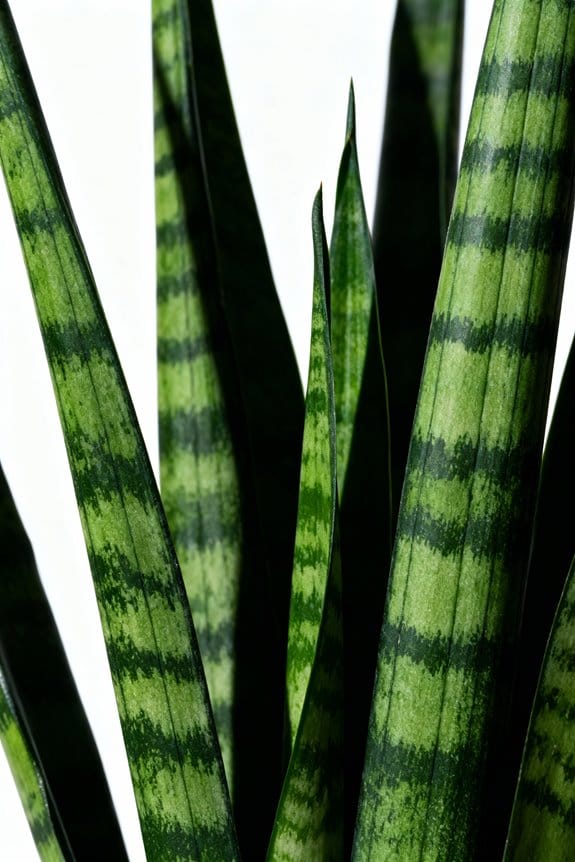
Lighting can feel like a tricky puzzle when choosing indoor trees, especially if your space doesn’t get much sun! 🌥 But don’t worry—some plants actually love chillin’ in the shade and still bring style and life to your room. If you’re after low maintenance indoor trees, options like the Parlor Palm and Corn Plant are top picks—they do well in low light and don’t fuss much. The Umbrella Tree adds texture even when light is limited, while the Rubber Tree’s glossy leaves give any spot a sleek vibe. For something a bit spindly and cool, the Dragon Tree thrives on indirect light, really adding dimension without much effort. So, even low-light rooms can flex some green muscle—no green thumb needed! 🌿 Artificial areca palms are a great alternative for low-light spaces since they require no watering or sunlight and still offer a lush, natural look.
Using Tropical Plants to Bring Warmth Indoors
Nothing quite warms up a flat space like a splash of tropical greenery! 🌴 Majesty Palms and Fiddle-Leaf Figs are your go-to pals here—they grow tall and give your room an instant boost of height and life. These tropical indoor plants thrive best in bright spots where humidity is just right, so placing them near a sunny window can work wonders. Their broad leaves add texture and depth, breaking up flat walls and making your space feel cozier. Plus, plants like the Rubber Tree or Fishtail Palm bring cool, unique shapes that catch the eye. Just remember to keep up with watering and a little love—because nobody wants a limp palm! With tropical plants around, your indoor space gains warmth and a welcoming vibe everyone will notice. For a low-maintenance alternative, consider artificial Areca palm trees which provide lush greenery without the need for watering or pruning.
Balancing Architectural Elements With Natural Forms
After adding some tropical plants to warm up your flat space, it’s time to think about balancing those sharp architectural lines with some natural charm. Indoor trees like the Fiddle Leaf Fig or Rubber Tree can really shake things up! They soften those rigid architectural elements with their organic shapes, making your room feel cozier and less like a box. Placing tall trees near windows is a clever trick, too—it pulls your eyes upward and lets sunlight dance through the leaves 🌞. Plus, these green buddies break up plain flat surfaces, adding layers and dimension. Honestly, it’s like giving your space a mini personality makeover without too much effort. So, if your walls are talking “straight lines,” let indoor trees whisper back some nature’s curves! Artificial trees provide a maintenance-free greenery option to keep this effect all year round without the need for watering or sunlight.
Combining Indoor Trees With Modern Decor Styles
When you’re aiming for a modern look, adding indoor trees like the Fiddle Leaf Fig or Rubber Tree can be a real game-changer! These indoor trees bring in fresh textures and vertical interest that modern decor often needs. They soften sharp edges and clean lines, making your space feel more inviting—kind of like adding a cozy sweater to a sleek outfit. Using different tree heights, like a Dragon Tree paired with a Norfolk Island Pine, can help break up open areas without messing up your style. Plus, these green wonders connect your indoor space to the outdoors, following nature-inspired design trends that boost your mood. Trust me, even if you’re not a plant expert, indoor trees can totally lift your modern decor vibe! 🌿😊 Regular dusting helps maintain their vibrant look and ensures your space stays fresh and inviting with zero maintenance requirements.
Tips for Maintaining Healthy Indoor Trees
Keeping your indoor trees happy isn’t as tricky as it might seem—promise! 🌿 A key step is making sure your plants get just the right amount of light, which varies by type. For example, your Fiddle Leaf Fig loves bright, indirect sunlight, but a Parlor Palm is perfectly chill in low light. Next, maintaining humidity levels matters, especially for tropical trees like the Norfolk Island Pine; adding a humidifier or a pebble tray can keep them comfy. Don’t forget watering—let the top inch of soil dry out between drinks to avoid root rot, especially with palms. Use well-draining soil and feed your plants during growing season but avoid overdoing it. With these simple tips, you’ll have healthy indoor trees that brighten your flat space easily! 🌱 Additionally, choosing artificial trees with high-quality polyester leaves can provide a realistic, low-maintenance alternative that enhances your space without the hassle.
Designing Around Indoor Trees for Optimal Flow
Now that you’ve got the basics of keeping your indoor trees healthy, it’s time to think about where they actually go in your flat! 🌿 Placing your trees near windows or in corners not only helps them soak up the light but also brightens and lifts the whole room. When you choose tall indoor trees like the Fiddle Leaf Fig, they draw your eyes upward, which adds some much-needed vertical interest to flat spaces. Don’t forget to mix in different leaf shapes and textures, like the jagged Fishtail Palm, to add even more depth to your design and architecture. Try arranging your trees to frame your furniture or art—this creates a natural flow that guides movement and ties the whole room together. It’s like your trees are leading the way, without being bossy! 🌳 For an option that requires no upkeep yet offers vibrant greenery year-round, consider adding artificial Monstera trees to your indoor décor.
Seasonal Care for Year-Round Indoor Tree Health
Although indoor trees don’t need you to be a full-time plant whisperer, they do appreciate some seasonal TLC to stay happy year-round! 🌿 You’ll want to switch up their light, water, and feeding routines as the weather changes because summer and winter can be very different for your leafy friends. In warmer months, indoor trees usually need brighter light and more frequent water since things dry out faster. Fertilizing every few weeks during spring and summer helps them grow strong, but ease off in fall and winter when they’re just chilling. Don’t forget, dry winter air means a little extra humidity, so misting or a humidifier can make them feel cozy. And if you’re feeling brave, a light prune in early spring keeps them looking sharp and healthy!
Popular Indoor Trees for Creating Lush Interiors
Choosing the right indoor tree can totally change the vibe of your flat space, making it feel fresher and more alive! 🌿 You might picture huge jungle plants or tiny succulents, but there’s a sweet spot with indoor trees that grow tall and still fit comfortably inside. The best indoor trees for your living room include the Fiddle-Leaf Fig and Rubber Tree, both reaching over 10 feet tall to add height and texture. If you want something a bit more tropical, the Majesty Palm creates a lush feel with its elegant fronds. For a quirky twist, try the Triangle Ficus with its unique leaf shape. Don’t forget the Corn Plant or Umbrella Tree—they bring volume, soften edges, and are pretty easy to care for. Your space will thank you! 🌱
Frequently Asked Questions
Can Indoor Trees Improve Indoor Air Quality Effectively?
Indoor trees contribute to air purification by absorbing pollutants and releasing oxygen production, thereby improving air quality. However, their impact is generally limited compared to mechanical ventilation and air filtration systems in indoor environments.
How Do Indoor Trees Affect Humidity Levels in a Room?
Indoor trees ironically both release moisture and absorb it, subtly aiding humidity regulation. Their natural transpiration adds moisture, yet their roots and soil can absorb excess, creating a dynamic balance that modestly influences room humidity levels.
Are Indoor Trees Safe for Homes With Pets or Children?
Indoor trees can be safe for homes with pets and children if pet friendly plants and child safe varieties are selected. Toxic species should be avoided to prevent health risks, ensuring a secure environment for all household members.
What Are the Common Pests That Affect Indoor Trees?
Common pests affecting indoor trees include spider mites, aphids, mealybugs, and scale insects. Effective pest management relies on regular inspection and preventative measures such as proper watering, air circulation, and occasional use of insecticidal soap.
Can Indoor Trees Be Grown Hydroponically Without Soil?
Like a fish thrives in water, indoor trees can grow hydroponically without soil. Various tree varieties adapt well to hydroponic systems, benefiting from nutrient-rich solutions that promote healthier, faster growth compared to traditional soil methods.