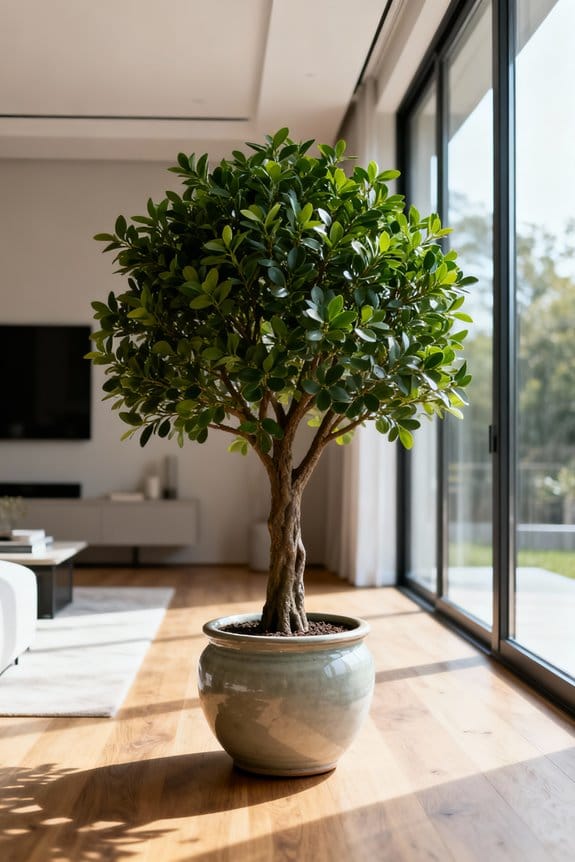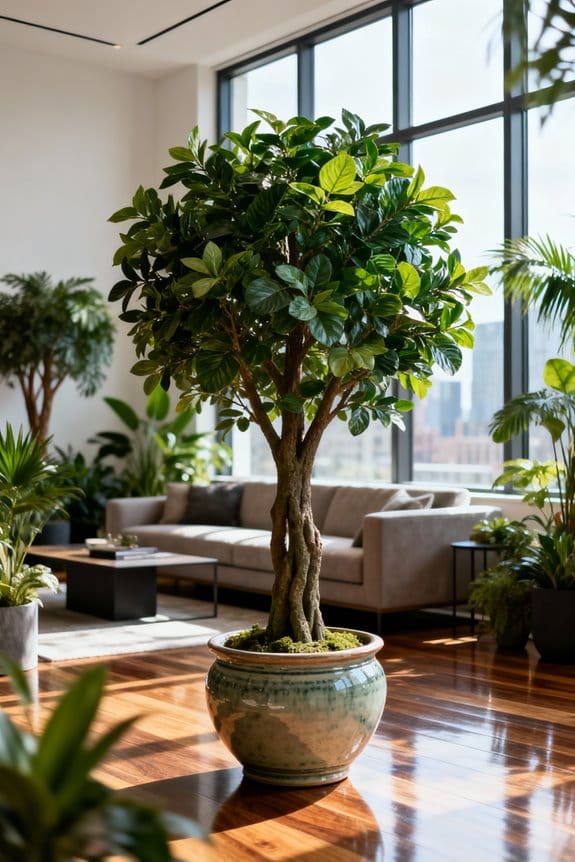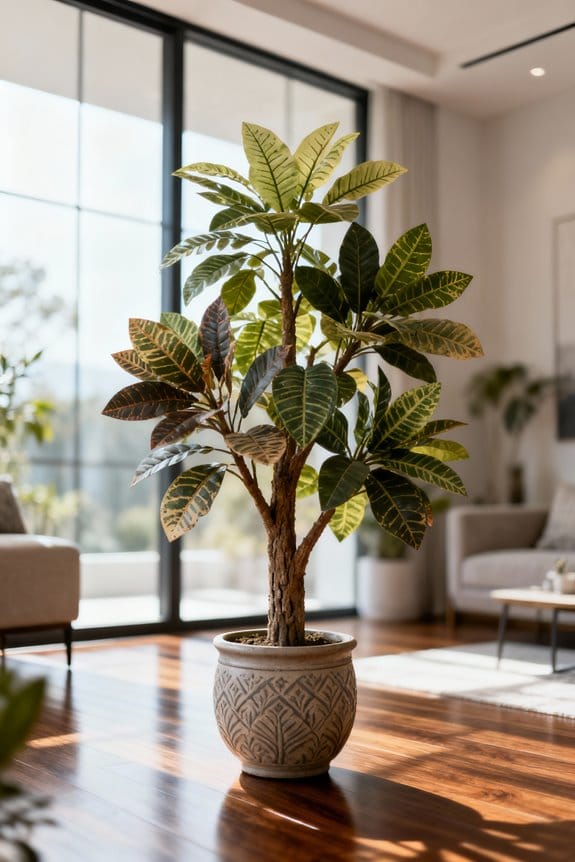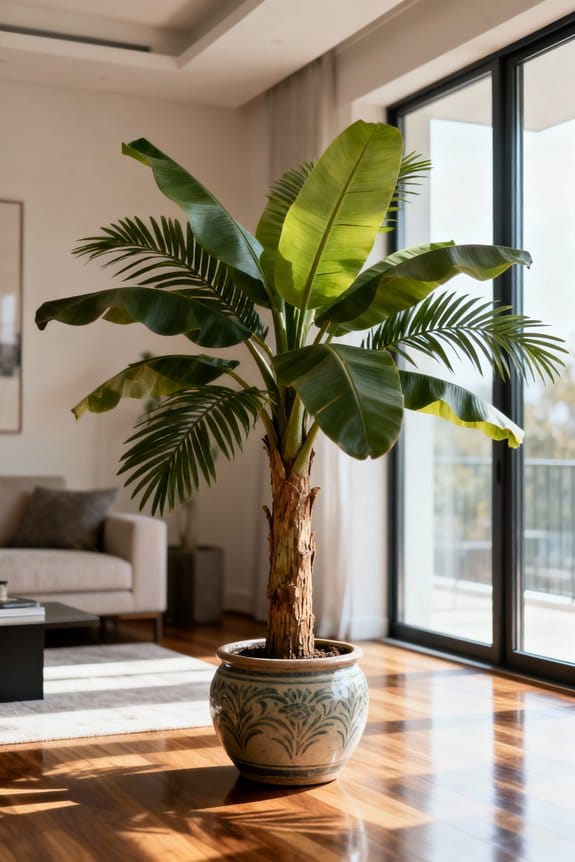
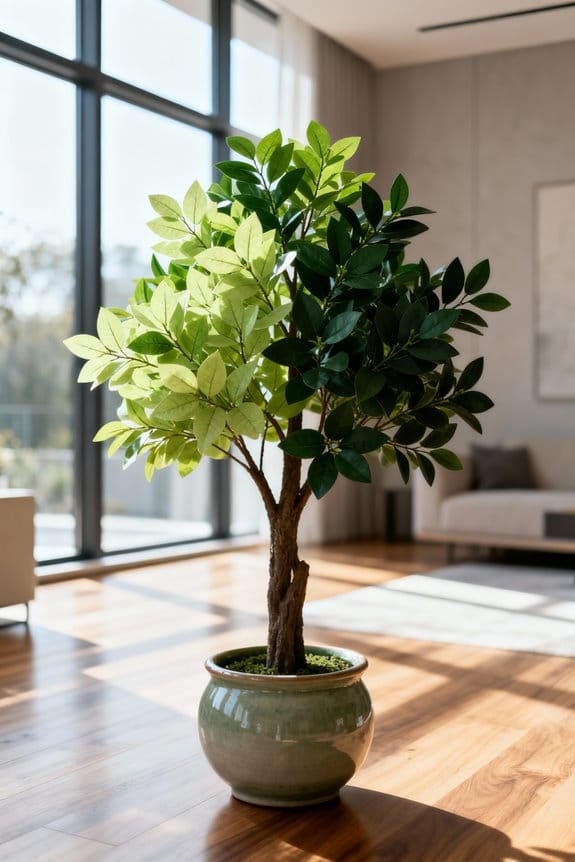

Choosing light green leaves brings a fresh, calm vibe that brightens your space and helps you relax—perfect for chilling or working creatively! Dark green leaves, on the other hand, add cozy warmth and a touch of richness that makes rooms feel snug and grounded. Just remember, too much dark green can make a room feel heavy, so mix it with lighter shades or good sunlight. Stick around to see how you can blend these greens like a pro! 🌿😊
Key Takeaways
- Light green leaves create a calm, bright atmosphere that relieves stress and enhances room brightness.
- Dark green leaves add warmth, depth, and a cozy, grounded feel to interior spaces.
- Light green shades promote relaxation and creativity, making spaces ideal for study or art.
- Dark green can make rooms feel sophisticated but may darken space if used excessively.
- Combining light and dark greens balances freshness with richness, creating harmonious, inviting rooms.
Psychological Effects of Light Green in Interior Spaces
Even though you might not notice it right away, light green in your home can do wonders for your mood! 🌿 It brings a calm and peaceful vibe that makes any room feel like a rejuvenating change. According to Color Psychology, light green hues in green rooms help relieve stress and create a relaxing atmosphere that soothes the mind. It’s like a gentle hug for your brain after a long day! Plus, lighter greens brighten a space by reflecting natural light, making rooms feel open and inviting. Adding light green furniture or decor can balance other colors, enhancing your room’s overall comfort. So, if you want a fresh, chill spot, adding light green might be your secret weapon. Who knew calming could look so good?! Incorporating elements like light green faux fiddle leaf fig trees can enhance this relaxing effect without requiring maintenance.
The Emotional Impact of Dark Green Tones
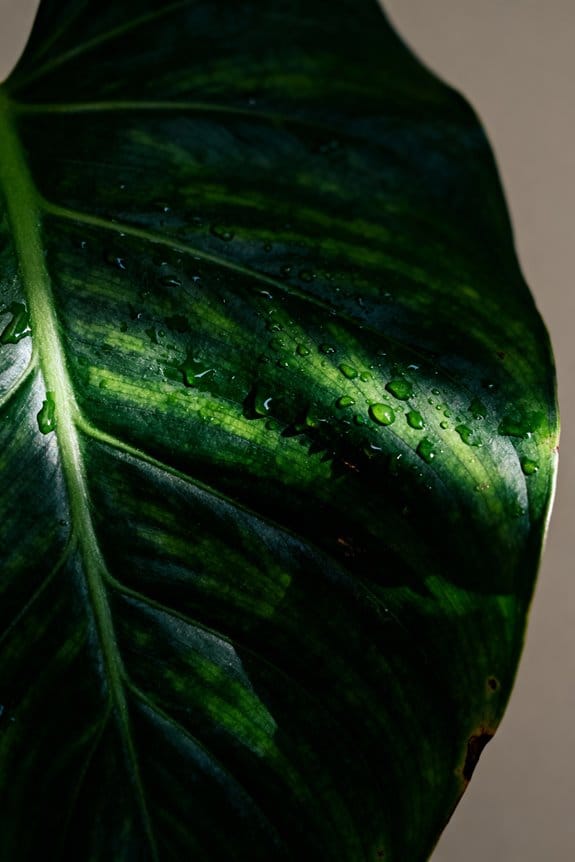
If light green feels like a gentle breeze of newness in your room, dark green is like a cozy weekend sweater—warm, deep, and inviting! 🌲 It adds richness and a sense of calm that makes your space feel both sophisticated and grounded. Dark green’s emotional appeal lies in how it creates cozy spaces that wrap you in comfort and security, perfect for libraries or quiet nooks. Plus, it can enhance well-being by connecting you to nature, helping you feel balanced and refreshed. Just remember, too much dark green can make a room feel like a cave—so mix in some lighter hues or let the sunshine in! That way, your space stays comfy without turning into a dungeon. Cozy, calm, and just right! Incorporating faux juniper trees can add this dark green richness without the maintenance of live plants.
How Light Green Enhances Relaxation and Creativity
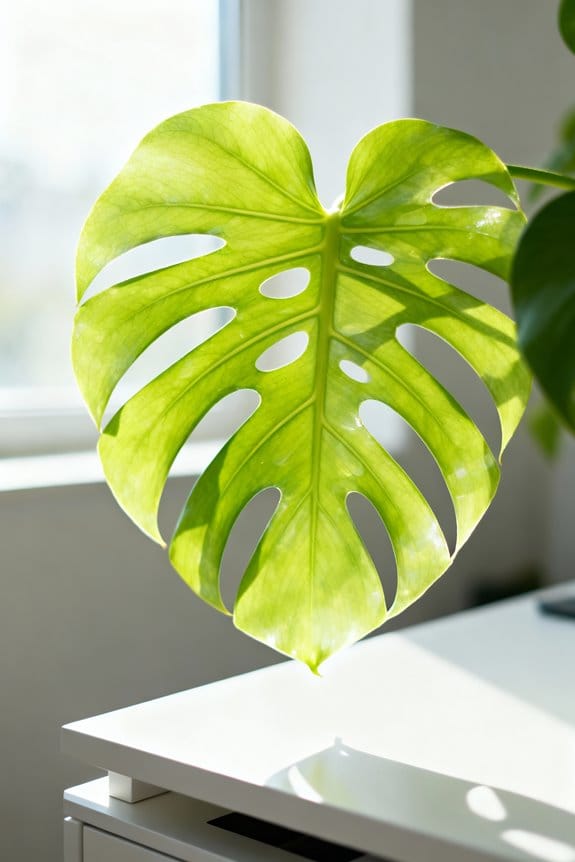
Imagine walking into a room that instantly feels fresh and calm, like a breath of spring air—light green shades can do just that for your space! 🍃 They make any room feel peaceful and help your mind settle down, which is perfect when you want to relax or get those creative juices flowing. Light green, like mint or pastel, offers soothing vibes that reduce stress and make it easier to focus. Toss in some light green pillows or wall art, and suddenly your room becomes a chill zone that sparks creativity without shouting for attention. Trust me, even if you’re not a “green thumb,” these shades help your brain relax and think better—perfect for your study or artist nook. Who knew calming colors could be this clever? For an effortless way to introduce restful greenery, consider adding faux trees that require minimal upkeep yet enhance the room’s tranquil atmosphere.
Dark Green’s Role in Creating Cozy and Intimate Rooms
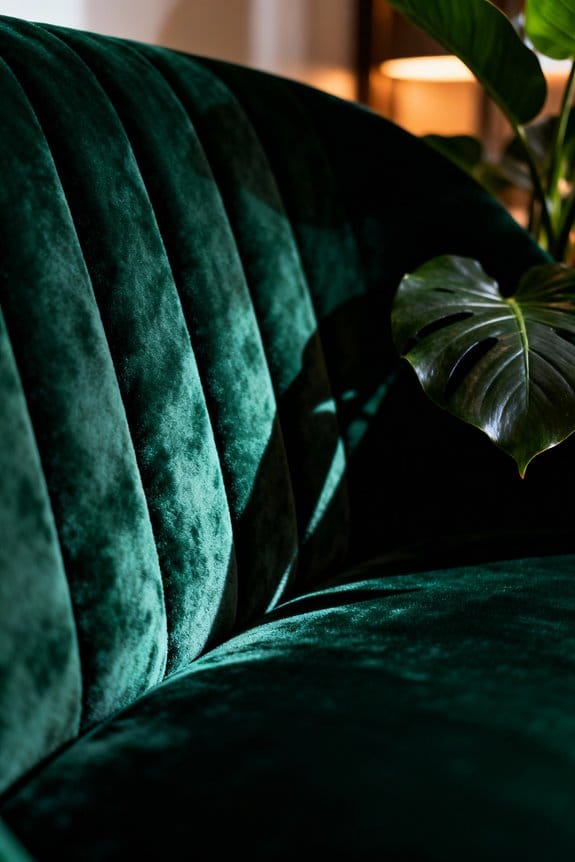
Three shades of dark green can instantly turn your room into a cozy, inviting retreat! 🍃 Unlike lighter greens that brighten a space, deep greens add a sense of warmth and security, wrapping your room in a gentle hug. If you want your space to feel grounded and snug, dark green is your go-to color. Interior designers often use it to create intimate rooms like bedrooms or family corners that feel private yet welcoming. Dark green walls or furniture add richness without overwhelming, so your eyes won’t get tired (no accidental staring contests with your walls!). Just balance these deep hues with lighter textures or accents to keep things lively and prevent the room from feeling too heavy. Trust me, a bit of dark green magic can turn your home into a cozy haven! For those looking to bring greenery indoors without upkeep, incorporating artificial banana leaf trees offers a lush, maintenance-free touch that complements dark green decor beautifully.
Incorporating Light Green Leaves in Home Decor
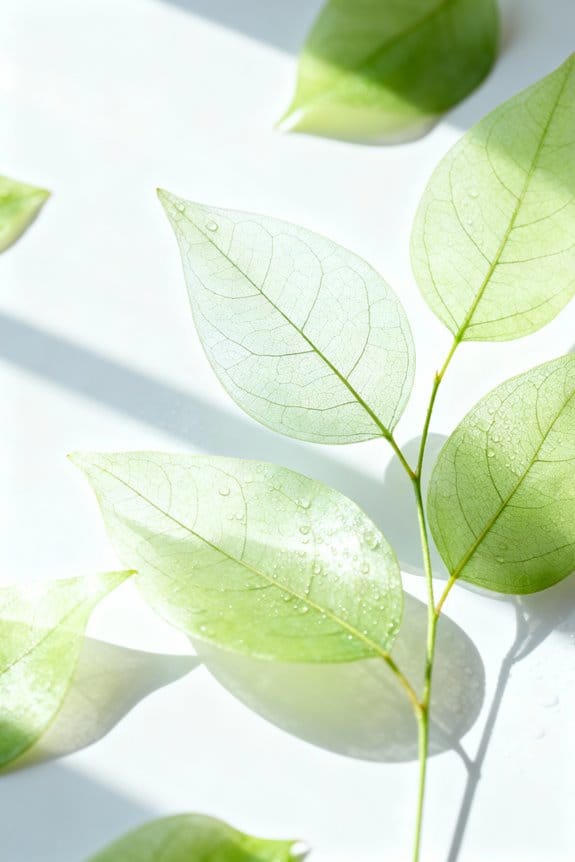
While dark green sets a cozy, grounded mood in rooms, bringing in light green leaves adds a vibrant pop that feels like a revitalizing change! 🍃 Think of plants like mint or ferns—they brighten your space without shouting, creating calm and peaceful vibes you’ll actually want to hang out in. To incorporate green effectively, try adding light green leaves through small touches like decorative pots or floral arrangements—they’re easy to mix in without taking over your room. Light green really helps create a sense of freshness and balance, pairing well with all kinds of colors. Plus, it’s a winning move for green decor because it improves air quality too. So, if your place feels a bit tired, let light green leaves bring it back to life! Many people also find that artificial Japanese maple trees offer a beautiful, low-maintenance way to introduce light green foliage indoors.
Using Dark Green Leaves for Depth and Sophistication
On chilly evenings or when a room feels a bit flat, adding dark green leaves can really turn things around! 🍃 They bring a cozy, grounded vibe that makes spaces feel richer and more inviting. Dark green leaves add depth to your interior decor, making a room feel elegant without trying too hard. It’s like giving your space a secret touch of sophistication that guests might not even notice but will definitely feel. Plus, dark green often brings a sense of calm, so it’s perfect for chill spots like your reading nook or living room. Just be careful not to overdo it—you don’t want your room to start looking like a jungle! A few well-placed dark green pieces can make all the difference. Choosing trees with UV-resistant silk leaves ensures your décor stays vibrant and lifelike over time.
Balancing Different Shades of Green in Room Design
Even though mixing different shades of green might sound tricky, it’s actually a lot easier—and more fun—than you’d expect! 🍃 When you balance light greens like mint or sage with darker greens such as forest or emerald, your room gets personality without turning into a green overload. Using light green brings a fresh, peaceful vibe, while darker shades add depth and grounding. Try combining pillows, curtains, or wall art in these greens to keep things lively and cozy. Don’t be shy to throw in some real plants too—they naturally blend with your green palette and make everything pop. Balancing different shades creates a room that feels inviting and calm, not like a jungle gym (unless that’s your thing!). Give it a go, and you might surprise yourself! For a low-maintenance alternative with customizable shapes, consider adding shapeable artificial indoor trees to enhance your decor effortlessly.
Choosing Green Hues Based on Room Function and Lighting
How do you pick the perfect green for each room without feeling like you’re painting a forest? 🌿 It’s all about matching the green shade to the room’s purpose and lighting! For calmer spaces like bedrooms, lighter green shades such as mint or sage work wonders—they create a peaceful vibe to help you relax. Meanwhile, darker green hues like forest green bring a cozy, rich tone perfect for dining rooms or libraries. Don’t forget to check your room’s lighting, too! A sage green might look fresh in a cool bedroom but shift brownish in a warmly lit kitchen. Also, think about the room’s purpose: bright greens can energize kitchens, while muted greens help bathrooms feel calm. Testing colors in each room is the secret to avoiding green regret! Faux trees with lifelike appearance can also complement these green hues and enhance the room’s ambiance without adding maintenance.
Frequently Asked Questions
How Does a Dark Green Room Make You Feel?
A dark green room can feel like stepping into an endless forest. Its mood impact promotes calm and lowers energy levels while enhancing space perception. The nature connection fosters comfort, grounding, and a soothing refuge from daily chaos.
Which Shade of Green Is the Most Calming?
Calming shades of light green, influenced by nature, typically evoke a soothing emotional response. Color symbolism associates these hues with tranquility and renewal, making them widely regarded as the most calming green tones for interior spaces.
What Is the 3 Color Rule in Interior Design?
The 3 color rule acts as a symphony of hues, orchestrating color harmony by blending dominant, secondary, and accent colors to achieve room balance. Through color psychology, it subtly shapes moods, elevating interiors with thoughtful contrast and cohesion.
What Does the Color Green Do to a Room?
Green color psychology emphasizes balance and renewal, making green room decor soothing and invigorating. Shades of green evoke calmness and connection to green in nature, enhancing mental clarity and creating tranquil, inviting, and rejuvenating indoor environments.